
Key Takeaways
- A wall clock can act as a focal point rather than just a functional item
- Size, placement, and surrounding decor determine its visual impact
- Statement clocks work best when given space to stand out
- Materials like mirror, metal, and glass enhance modern interiors
- Balancing a clock with furniture and wall decor creates harmony
- Thoughtful styling turns a simple clock into a defining design feature
Why a Wall Clock Can Transform Your Space
A wall clock is one of the few pieces in your home that combines purpose with presence.
In many UK homes, clocks are often treated as practical additions rather than design elements. Yet, when chosen carefully, they can become a defining feature of a room.
At Metro Elegance, we design and curate pieces that go beyond function. A wall clock can shape the atmosphere of a space, drawing attention and adding structure to your interior.
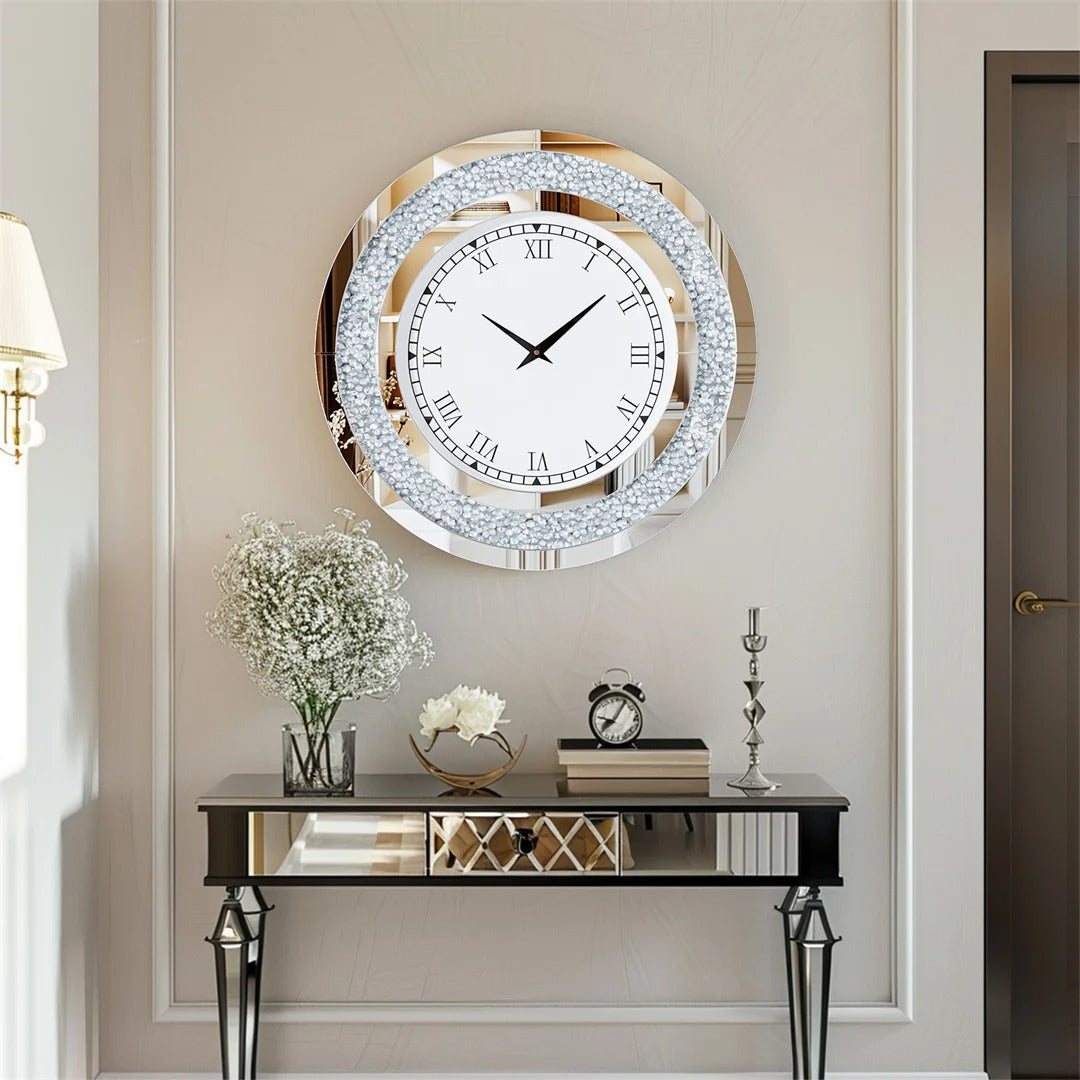
What Makes a Wall Clock a Statement Piece
Not every clock needs to be bold, but a statement clock should stand out without overwhelming the room.
There are a few key elements that define a statement piece:
Scale
Larger clocks naturally draw attention and work well on feature walls.
Design
Unique shapes, mirrored finishes, or detailed textures add character.
Placement
Positioning determines whether the clock blends in or becomes a focal point.
A piece like the large 60cm round mirrored wall clock with beveled glass skeleton clock offers both scale and reflective detail, making it suitable for feature walls.
Choosing the Right Location
Where you place your clock is just as important as the design itself.
Statement clocks work best in areas where they can be seen clearly:
- Above a fireplace
- Behind a sofa
- In an entryway or hallway
- On a large, empty wall
Positioning should feel natural within the room layout. If you are unsure about placement, this guide explains how positioning affects both function and design:
where to hang a wall clock for visual impact
Let the Clock Lead the Design
When using a statement clock, it is often better to design the surrounding space around it.
Instead of adding a clock to an already busy wall, start with the clock and build from there.
For example:
- Pair it with minimal wall art
- Keep surrounding decor subtle
- Allow enough empty space around it
This approach ensures the clock remains the focal point.
Explore Materials That Add Depth
Material choice plays a major role in how a clock is perceived.
The wall clock collection features a variety of finishes that suit different interiors, from sleek mirrored designs to textured statement pieces.
Mirrored clocks, such as the irregular mirrored wall clock beveled diamond mirror clock, reflect light and create a sense of openness.
For a more decorative approach, the large irregular crystal crush wall clock diamond accent silent quartz clock introduces texture and visual interest.
Balance with Other Wall Elements
Even a statement piece needs balance.
If your clock is bold, keep surrounding elements more restrained. This prevents the wall from feeling crowded.
You can also pair your clock with complementary decor from the wall mirror decor collection, which helps create depth without competing for attention.
For inspiration on combining elements effectively, this guide explores how clocks interact with other decor:
how wall clocks enhance living spaces
Match Your Clock to Your Interior Style
A statement clock should feel intentional, not out of place.
Modern interiors
Choose clean lines, metallic finishes, and minimal detailing.
Glam or luxury spaces
Opt for mirrored or crystal-accented designs.
Industrial interiors
Look for darker tones and metal structures.
If you are deciding between styles, this resource can help you refine your choice:
modern vs traditional clock styles explained
Consider Scale and Proportion Carefully
A statement piece does not always mean oversized. It simply means noticeable.
To achieve the right balance:
- Large walls suit bigger clocks
- Smaller walls benefit from compact but distinctive designs
- Furniture size should align with the clock
For example, a large clock above a small console table may feel unbalanced, while the same clock above a wide sofa can feel proportionate.
Use Lighting to Enhance the Effect
Lighting can influence how your wall clock is perceived.
Mirrored and glass designs respond particularly well to natural light, reflecting brightness and adding depth.
Consider placing your clock:
- Opposite a window
- Near soft lighting sources
- In well-lit areas of the room
This helps highlight the design without overwhelming the space.
Keep It Simple but Intentional
One of the most effective ways to make a clock stand out is to avoid overcomplicating the design around it.
A clear, intentional setup often has more impact than a crowded arrangement.
At Metro Elegance, we believe that thoughtful simplicity creates stronger interiors. Each piece should have a purpose, and a statement clock should feel like a natural part of your home rather than an addition.

Final Thoughts
A wall clock has the potential to be more than a functional item.
With the right size, placement, and styling, it can become a central feature that defines your space. By allowing it to lead the design and balancing it with surrounding elements, you can create a room that feels both cohesive and visually engaging.
At Metro Elegance, we design with this balance in mind. Our collections are created to help you build interiors that are both practical and expressive.
CTA
Looking to make a statement with your wall clock?
Explore our curated range or speak with our team for personalised styling advice.
👉 Contact Metro Elegance
FAQ
What makes a wall clock a statement piece?
A statement wall clock stands out due to its size, design, or placement. It often becomes the focal point of a room rather than blending into the background. Elements such as mirrored finishes, unique shapes, or bold detailing can all contribute to its impact.
Where should I place a statement wall clock?
Statement clocks work best in visible areas such as above a sofa, fireplace, or in an entryway. The key is to place them where they can be easily seen without obstruction. Proper placement ensures both functionality and visual appeal.
Can a wall clock replace wall art?
Yes, in many cases a statement clock can replace traditional wall art. Larger designs can fill space effectively while also serving a practical purpose. This is particularly useful in minimalist interiors where fewer pieces are preferred.
How do I match a statement clock with my decor?
Look at the materials, colours, and style of your existing furniture. Choosing a clock that complements these elements helps create a cohesive look. For example, mirrored clocks pair well with modern interiors, while metal designs suit industrial spaces.
Are large wall clocks suitable for small rooms?
They can work if used carefully. A single larger piece can reduce the need for additional decor, which may actually make the room feel less cluttered. However, it is important to ensure the scale does not overwhelm the space.
What materials are best for statement wall clocks?
Materials like glass, metal, and mirrored finishes are commonly used because they reflect light and add depth. The choice depends on your interior style and how you want the clock to interact with the rest of the room.
How do I keep a statement clock from overpowering the room?
Balance is key. Keep surrounding decor minimal and allow space around the clock. This helps it stand out without making the room feel crowded or visually overwhelming.