
Key takeaways
- Vintage wall clocks add history and character to modern UK homes
- Authentic antique features differ from vintage-inspired designs
- Size, mechanism, and materials matter when choosing older-style clocks
- Placement is key to blending vintage clocks into contemporary spaces
- Well-chosen timepieces balance nostalgia with everyday practicality
Vintage wall clocks have a quiet presence that modern designs often cannot replicate. They carry a sense of history, craftsmanship, and continuity that feels especially fitting in British homes. Whether displayed in a Victorian terrace, a converted flat, or a contemporary new build, a vintage-style clock adds depth that goes beyond decoration.
At Metro Elegance, we appreciate how traditional design elements can coexist with modern living. While genuine antiques require careful sourcing, many homeowners look for vintage-inspired wall clocks that capture classic charm while remaining reliable for daily use. This guide explores how to hunt for antique-style wall clocks in the UK and how to integrate them seamlessly into your home.
Understanding vintage versus antique wall clocks
Before searching for a timepiece, it helps to understand the terminology.
Antique wall clocks
True antiques are typically older pieces that reflect specific periods of British or European clockmaking. They often feature mechanical movements, solid wood cases, and visible signs of age.
These clocks can be valuable and require maintenance, making them better suited to collectors or heritage interiors.
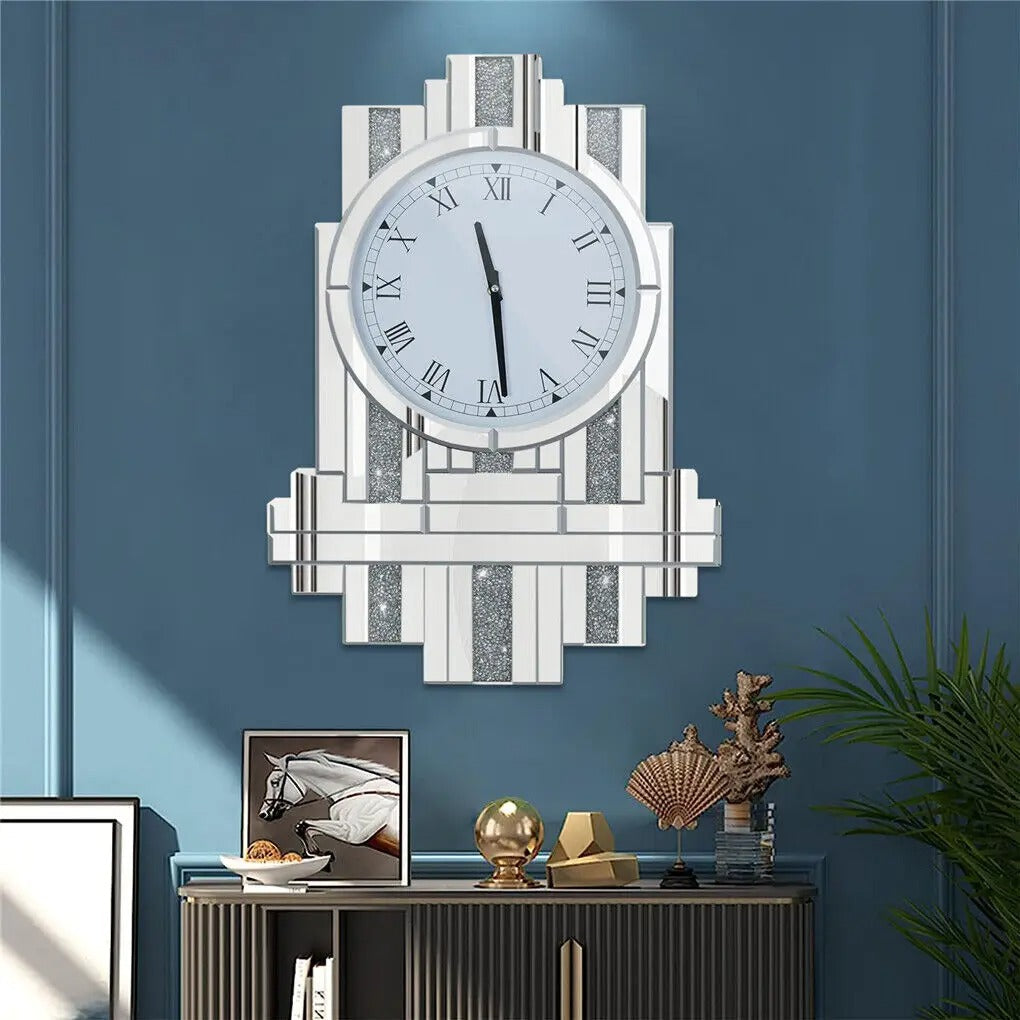
Vintage-inspired wall clocks
Vintage-inspired clocks draw from traditional design cues but are made for modern homes. They often use quartz movements for accuracy and ease of care while retaining classic features such as Roman numerals, aged finishes, or decorative frames.
For many UK households, this option provides the best balance of style and practicality.
What defines a vintage wall clock style
Vintage wall clocks tend to share a few recognisable characteristics:
- Roman numerals or serif number styles
- Metal, wood, or mirrored frames
- Balanced proportions rather than oversized forms
- Decorative but restrained detailing
Clocks influenced by early twentieth-century design often feel particularly timeless and adaptable.
Our wall clock collection includes designs that reference these classic elements while fitting comfortably into modern interiors.
Where to hunt for antique-style wall clocks in the UK
Antique markets and fairs
Local antique markets and fairs remain popular for finding authentic pieces. While selection varies, these venues allow you to inspect craftsmanship closely.
Specialist retailers
Retailers offering curated vintage-inspired clocks provide consistency in quality and reliability. These designs are often easier to integrate into everyday living spaces.
Online collections
Well-curated online collections allow homeowners to explore classic styles without the uncertainty of condition or maintenance.
For guidance on choosing timeless designs rather than fleeting trends, our article on historical influences in British wall clock design offers useful background.
Choosing the right vintage wall clock for your home
Size and scale
Older-style clocks were often designed to anchor a room rather than blend into the background. However, scale still matters.
In smaller spaces, medium-sized clocks provide visual interest without overwhelming the wall. Larger clocks work best in living rooms, hallways, or above fireplaces.
Materials and finishes
Wood finishes suit traditional interiors, while metal and mirrored frames can bridge the gap between vintage and contemporary décor.
A design like the large irregular crystal crushed wall clock combines classic Roman numerals with a refined finish that feels both traditional and modern.
Movement type
Mechanical clocks require winding and maintenance. Quartz movements offer quieter operation and minimal upkeep, making them more suitable for daily use in busy homes.
Best rooms for vintage wall clocks
Living rooms
Vintage clocks often work well as focal points in living rooms, especially above fireplaces or sideboards.
The large 3D diamond crystal wall clock with Roman numerals brings traditional numbering into a contemporary context.
Hallways and stairwells
Hallways are natural homes for vintage wall clocks. Their transitional nature suits heritage-inspired décor and adds function to often-overlooked spaces.
If you are styling entryways, our guide on buying the right hallway mirror for UK homes pairs well with clock placement considerations.
Kitchens and dining spaces
Classic clock faces feel at home in kitchens, where timekeeping has always played a practical role. Simpler vintage designs tend to work best here.

Mixing vintage clocks with modern interiors
Vintage does not mean outdated. Many British homes successfully blend traditional clocks with contemporary furniture.
Tips for balance:
- Pair vintage clocks with neutral walls
- Keep surrounding décor minimal
- Avoid competing patterns or finishes
- Let the clock stand alone rather than clustering multiple pieces
Mirrored or subtly decorative clocks help bridge eras, especially when combined with clean-lined furniture.
Our silver mirror décor collection complements classic clock designs and helps unify mixed styles.
Common mistakes when choosing vintage wall clocks
- Buying oversized clocks for small walls
- Choosing novelty designs that lack timeless appeal
- Ignoring maintenance requirements
- Overdecorating around the clock
A vintage clock should feel considered, not crowded.
Why vintage-style wall clocks from Metro Elegance work
At Metro Elegance, we curate wall clocks that respect traditional design while supporting modern lifestyles. Our focus is on proportion, finish, and reliability, allowing homeowners to enjoy vintage character without compromising daily convenience.
Each piece is selected to work harmoniously within UK homes, whether traditional or contemporary.
If you are unsure which vintage-style wall clock suits your space, our team is always happy to help.
👉 Contact us here for personalised guidance.
Frequently asked questions
What is the difference between antique and vintage wall clocks?
Antique clocks are original historical pieces, while vintage-style clocks are modern designs inspired by traditional aesthetics.
Are vintage wall clocks suitable for modern homes?
Yes. When chosen carefully, they add character and contrast to contemporary interiors.
Do vintage-style clocks require special maintenance?
Quartz-based designs require minimal upkeep, unlike mechanical antique clocks.
Where should I hang a vintage wall clock?
Living rooms, hallways, and dining areas are common choices, depending on size and visibility.
Can vintage clocks work in small flats?
They can, provided the scale is appropriate and the design is not overly ornate.
Are Roman numerals typical of vintage clocks?
Yes. Roman numerals are a common feature in traditional clock designs.
Should a vintage clock match other décor exactly?
Exact matching is not necessary. Coordinating tones and materials usually works better.