
Key Takeaways
- Wall mirrors work best when styled alongside furniture, lighting, and textures
- Balance and proportion are more important than matching everything exactly
- Mirrors can enhance focal points and connect different design elements
- Materials and finishes should be repeated subtly across the space
- Layering décor creates depth without overcrowding
- A cohesive approach leads to a more considered and comfortable interior
Why Mirrors Are More Than Just a Finishing Touch
Wall mirrors are often added at the end of a decorating process, almost as an afterthought. In reality, they have the potential to shape the entire room.
They influence how light moves, how space feels, and how different elements interact with each other. When used thoughtfully, a mirror becomes part of the overall design rather than just a decorative addition.
At Metro Elegance, we approach mirrors as key design pieces. They are not isolated items. They are part of a wider composition that includes furniture, lighting, and layout.

Start with a Clear Focal Point
Before introducing multiple décor elements, it helps to decide what you want the room to centre around.
Using Mirrors as the Focal Feature
A mirror can anchor a space when placed:
- Above a fireplace
- Behind a sofa
- Over a console table
In these positions, the mirror naturally draws attention while reflecting the surrounding décor.
Supporting the Focal Point
Once the mirror is in place, other elements should support it rather than compete with it. This might include:
- Neutral furniture
- Subtle textures
- Coordinated lighting
If you are unsure how to position your mirror effectively, this guide on placing mirrors for balance and visual impact offers useful principles that apply across different spaces.
Pairing Mirrors with Furniture
Furniture and mirrors should work together rather than feel disconnected.
Above Console Tables
A mirror above a console table creates a natural pairing. The table grounds the space, while the mirror adds height and light.
Behind Sofas
Placing a mirror behind a sofa can expand the visual depth of the room. This works particularly well in smaller living areas.
In Dining Areas
Mirrors can reflect dining tables and lighting, helping the space feel more open and cohesive.
At Metro Elegance, many of our mirror designs are created with these placements in mind, making it easier to integrate them into everyday layouts.
Matching Materials and Finishes
A cohesive interior does not require everything to match exactly, but there should be some connection between elements.
Repeating Key Materials
If your mirror features:
- A black frame, echo this in furniture or lighting
- Metallic finishes, repeat them in smaller accents
- Glass or reflective surfaces, balance them with softer textures
Balancing Contrast
Contrast can add interest, but it should feel intentional. For example:
- A sleek mirror can complement textured furniture
- A decorative mirror can sit alongside minimal décor
The goal is to create harmony rather than uniformity.
You can explore a range of adaptable designs in our wall mirror decor collection, where different finishes and styles are designed to work across interiors.
Integrating Mirrors with Lighting
Lighting and mirrors naturally complement each other. When combined well, they enhance both function and atmosphere.
Reflecting Natural Light
Positioning a mirror opposite a window allows light to bounce across the room, making the space feel brighter.
Pairing with Artificial Lighting
Mirrors can amplify the effect of:
- Wall lights
- Floor lamps
- Ceiling fixtures
This creates a layered lighting effect without adding excessive fixtures.
If you are exploring how lighting and reflection work together, this article on how lighting enhances reflective surfaces in interiors provides useful insight.
Combining Mirrors with Wall Art
One of the most effective ways to integrate mirrors is by combining them with artwork.
Gallery Wall Approach
Mixing mirrors with framed art creates a dynamic wall display. The mirror adds depth, while the artwork adds personality.
Balancing Shapes and Sizes
When combining elements:
- Vary sizes to avoid repetition
- Keep spacing consistent
- Align edges where possible for a structured look
Avoiding Overcrowding
While layering is effective, too many elements can reduce impact. It is important to leave enough space for each piece to stand out.
Using Mirrors to Connect Different Areas
In open-plan homes, mirrors can help tie different zones together.
Creating Visual Flow
A mirror placed between two areas can reflect both, creating a sense of continuity.
Defining Subtle Boundaries
Without adding walls or partitions, mirrors can help distinguish:
- Dining areas
- Living spaces
- Hallways
This approach works particularly well in modern UK homes where flexibility is key.
For more detailed ideas, this guide on using mirrors to structure open-plan layouts explores practical applications.
Choosing the Right Mirror Style for Your Décor
Different interiors call for different mirror styles. Selecting the right one makes integration much easier.
Minimalist Interiors
Simple, frameless designs blend seamlessly into modern spaces.
The frameless rectangle wall mirror with beveled silver edge is a versatile option that works across multiple rooms.
Contemporary and Artistic Spaces
Unique shapes can introduce character without requiring additional décor.
The asymmetrical irregular wall mirror for fireplace or living room offers a more expressive design while remaining adaptable.
Decorative or Glam Interiors
Mirrors with subtle detailing can enhance more refined spaces.
The rectangle crystal crushed diamond wall mirror adds texture and light reflection without overwhelming the room.
If you are comparing styles more broadly, exploring options within our large wall mirror designs for statement spaces can help you find the right balance between scale and design.
Layering Without Overcomplicating
One of the most common challenges in interior design is knowing when to stop.
Keep It Simple
Start with a few key elements:
- A mirror
- One or two furniture pieces
- Complementary lighting
Build Gradually
Add layers over time rather than all at once. This allows you to assess how each element contributes to the space.
Maintain Visual Breathing Space
Leaving some areas uncluttered helps highlight the pieces you have chosen.
At Metro Elegance, we encourage a considered approach to styling. Thoughtful combinations often have a greater impact than adding more items.
Common Styling Mistakes to Avoid
Overmatching Everything
Matching every element can make a room feel flat. Variation adds depth.
Ignoring Scale
A mirror that is too small or too large can disrupt balance.
Poor Placement
Even a well-designed mirror can lose impact if positioned incorrectly.
Too Many Reflective Surfaces
While mirrors enhance light, too many reflective elements can feel overwhelming.
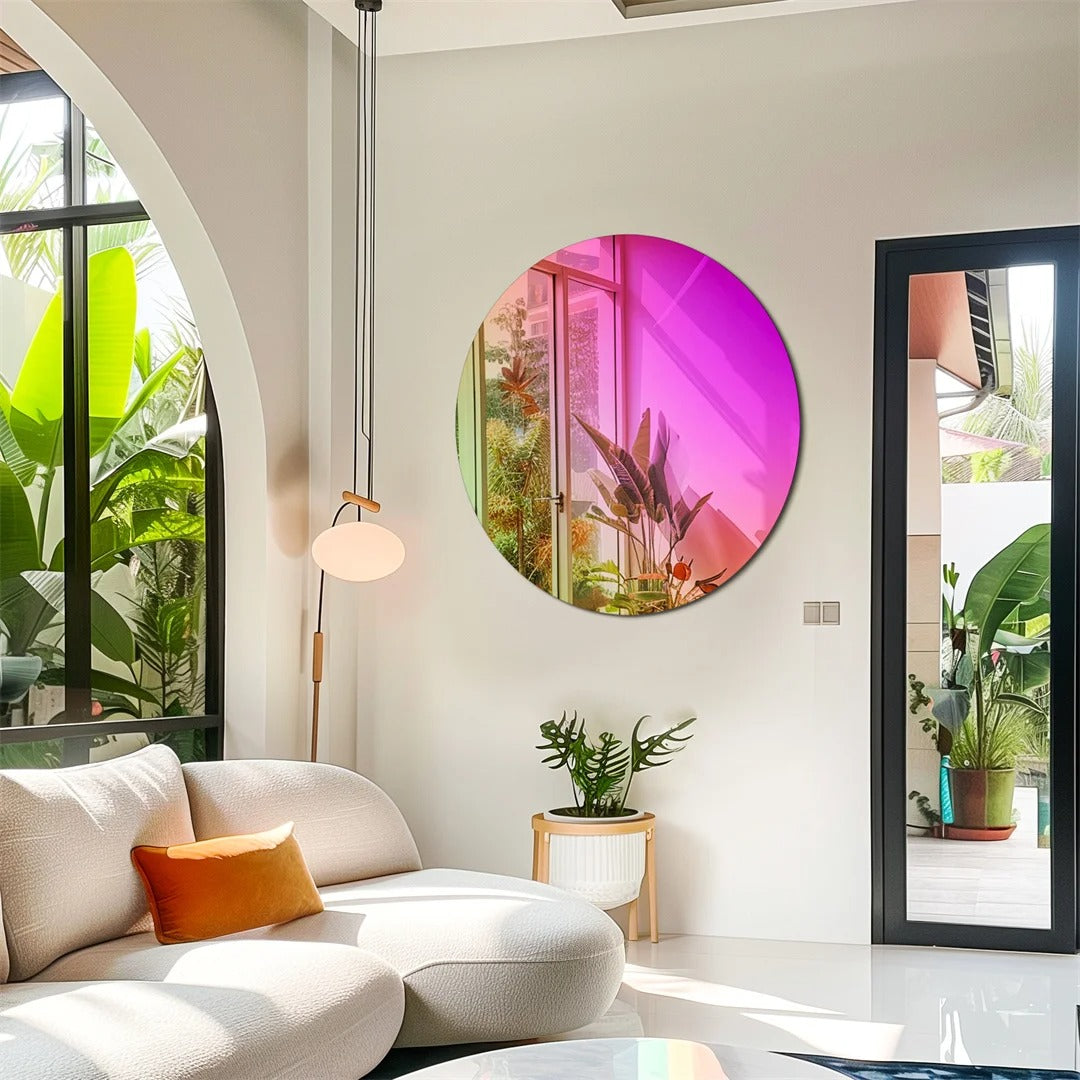
Final Thoughts
Integrating wall mirrors with other home décor elements is less about strict rules and more about balance. When mirrors are considered as part of a wider design, they enhance both function and style.
By pairing them thoughtfully with furniture, lighting, and materials, it is possible to create interiors that feel cohesive, comfortable, and visually engaging.
At Metro Elegance, we design our collections to support this approach. Each piece is intended to work not just on its own, but as part of a complete living space.
CTA
Looking to bring your décor together with the right mirror?
Explore our collection or speak with our team for personalised advice tailored to your space.
FAQ
How do I match a wall mirror with my furniture?
Focus on complementary materials and proportions rather than exact matches. Repeating finishes can help create cohesion.
Can I mix different mirror styles in one room?
Yes, combining styles can add depth, as long as there is a unifying element such as colour or material.
Where should I place a mirror for the best effect?
Common placements include above furniture, opposite windows, or in areas where light can be reflected effectively.
Do mirrors need to match lighting fixtures?
They do not need to match exactly, but coordinating finishes can help create a balanced look.
How can I style a mirror with wall art?
Combine different sizes and shapes, maintain consistent spacing, and avoid overcrowding to create a balanced arrangement.
Are large mirrors better for open-plan spaces?
Larger mirrors can help define areas and create a sense of continuity in open-plan layouts.
What is the most common mistake when styling mirrors?
Poor placement is one of the most common issues. Even a well-designed mirror needs to be positioned thoughtfully to achieve the desired effect.