
Most household furniture does not need much seasonal thought. A sofa, a dining table, a bookshelf - they sit in the same position year-round and face essentially the same conditions every day. Plant stands are different. They live in contact with damp soil, watering residue, and live plant material. Those used outdoors face rain, frost, UV exposure, and wind. Even indoor stands experience meaningful changes across the seasons as heating goes on and off, windows are opened and closed, and the quality and duration of natural light shifts through the year.
These seasonal changes affect both the stand itself and the plants it supports. A maintenance schedule that accounts for this seasonal variation keeps stands in good condition across the full year, prevents small problems from compounding over multiple seasons, and ensures that the plants on the stand continue to get the conditions they need as the environment around them changes.
At Metro Elegance, we think about plant stands as long-term pieces - furniture that should hold its quality and appearance across years of real-world use. The seasonal maintenance described in this guide is what makes that longevity achievable in practice.

Why Seasonal Maintenance Matters More for Plant Stands Than Most Furniture
The case for seasonal maintenance is clearer for plant stands than for most other pieces of furniture, for a few specific reasons.
The interaction with plant care creates ongoing wear. Every time a plant is watered, there is the potential for water to reach the stand surface. Every time a pot is moved for repotting, soil and compost debris fall onto shelf surfaces. Over a growing season, this accumulates in ways that routine weekly cleaning does not fully address. A seasonal deep clean at the transitions between major seasons resolves this build-up properly.
UK conditions change significantly between summer and winter. The difference between a British July and a British January is considerable - in temperature, daylight hours, rainfall, and heating use indoors. These changes affect how wood and bamboo absorb and release moisture, how quickly metal finishes are tested by damp, and where plants need to be positioned to receive adequate light. Addressing these changes at the right point in the seasonal cycle keeps stands and plants performing well rather than drifting gradually out of optimal condition.
Outdoor stands face the most dramatic seasonal transitions. A stand that performs well through the summer months may face conditions in winter that, if unaddressed, cause lasting damage. Preparing outdoor stands appropriately before the winter months - and restoring them properly in spring - is the most impactful maintenance intervention available.
Spring Maintenance: Preparing Stands for Active Use
Spring is the most important maintenance window for plant stands, particularly those used outdoors. After the dampest, coldest, and often darkest months of the UK year, stands need to be assessed, cleaned, treated, and repositioned in preparation for the growing season ahead.
Inspection First
Before cleaning or treating, a thorough inspection tells you what the winter has done to each stand and what specific attention it needs.
For wooden and bamboo stands, check the feet and base first - these are the areas most affected by floor moisture and, for outdoor stands, by ground-level damp. Look for any softening, discolouration, or mould growth at the base. Check the joints for any loosening or visible movement when the stand is gently rocked. Inspect shelf surfaces, particularly beneath any pots that were not moved during winter, for water staining or surface degradation.
For metal stands, run a hand over all surfaces to feel for any rough patches or chips that indicate coating damage. Look carefully at weld points, joints, and the feet - areas where stress and moisture accumulate. Any surface rust that has developed at damaged coating points needs to be addressed before it spreads to the surrounding finish.
Deep Cleaning
Once the inspection is complete, a thorough spring clean addresses the accumulated grime, mineral deposits, algae, and biological growth that have built up over winter.
For wooden and bamboo stands, remove all pots and trays and clean shelf surfaces with a soft brush followed by a lightly damp cloth. Pay particular attention to the undersides of shelves, which trap moisture and debris but are often not cleaned during routine maintenance. For outdoor wooden stands, use a mild outdoor wood cleaner and a brush to remove algae and moss from horizontal surfaces. Allow the stand to dry fully - ideally in a ventilated position for several hours or overnight - before moving to treatment.
Our multi-tier carbonised wooden flower rack and display stand is an example of a wooden stand where spring cleaning, particularly of the multiple horizontal shelf surfaces, makes a clear visible difference in preparation for the growing season. The carbonised finish provides some inherent weather resistance, but cleaning removes the winter's accumulated grime that would otherwise sit on the surface through the warmer months.
For metal stands, a warm soapy wash with a soft cloth for indoor stands or a scrubbing brush for outdoor ones addresses most surface grime. Rinse away soap residue and dry the surfaces to prevent unnecessary moisture contact.
Surface Treatment After Cleaning
For wooden and bamboo stands, the post-cleaning treatment step is the most directly protective part of the spring maintenance cycle. Once the stand is fully dry:
Apply tung oil, Danish oil, or a wood-specific exterior preservative for outdoor stands. Work the oil into the grain with a cloth, allow it to absorb for the time specified on the product, and wipe away any excess. For outdoor stands, a more robust exterior-grade preservative provides better protection through the growing season than an interior wood oil alone.
For metal stands, treat any chips or scratches identified during inspection with a metal primer and touch-up paint before they develop into active rust points. This is a simple process - clean the damaged area, apply primer, allow to cure, and apply matching touch-up paint - but it makes a significant difference to how the stand holds up through another season of use.
Repositioning for Spring and Summer Light
Stand position often needs adjustment as the season changes. In winter, stands may have been moved close to windows to maximise limited light. As spring brings longer days and stronger light, some repositioning may be needed:
For south and west-facing rooms, stands positioned directly in front of windows through winter may need to be moved slightly back as spring sun becomes more intense, to prevent leaf scorch on plants that are not suited to direct light.
For outdoor stands returning to use after winter storage or covering, take time to consider whether the position they occupied last year is still the right one, or whether a change in the garden layout or the plant selection warrants a different placement.
Our post on practical advice for caring for and positioning plant stands through the seasons provides more detailed guidance on how placement decisions interact with stand condition and plant health across the year.
Summer and Autumn: Maintenance in the Active Season
Between the two major seasonal maintenance points, lighter ongoing care keeps stands in the condition that the spring work established.
During the growing season, the most important ongoing tasks are managing drip trays (emptying them within a few hours of watering), removing soil debris from shelf surfaces regularly, and monitoring the surface finish of outdoor stands for any new coating damage from UV exposure or physical contact. A mid-summer light application of wood oil on wooden stands in sun-exposed outdoor positions helps replenish moisture that UV light draws out of the surface.
Autumn is a preparation season that should not be skipped. Before the wet and cold of winter arrives, a lighter version of the spring inspection and cleaning is worthwhile, particularly for outdoor stands. Clean the stand, check the finish, apply a protective treatment to wooden and bamboo surfaces, and assess whether the stand will benefit from being moved under cover for winter.
For stands remaining outdoors through winter, autumn is also the time to check that the stand is stable and secure against wind before autumn storm conditions arrive. Checking feet, joints, and any anchoring hardware now is considerably easier than doing so after a stand has been damaged by a winter fall.
Winter Maintenance: Protecting Stands Through the Hardest Season
Winter in the UK presents the most demanding conditions for plant stands, particularly those used outdoors. The combination of persistent rain, frost, low light, and temperature variation tests every material type in ways that other seasons do not.
Outdoor Stands in Winter
The most effective winter protection for an outdoor wooden or bamboo stand is to move it under cover - into a garage, shed, conservatory, or covered porch - for the months of heaviest sustained rain and frost. If indoor storage is not practical, a breathable outdoor furniture cover reduces direct rain exposure while allowing some airflow, which prevents the moisture-trapping conditions that a non-breathable cover creates.
Before covering or storing, clean the stand and apply a protective treatment. Storing or covering a dirty stand locks in any moisture and biological growth that has accumulated on the surface, which can cause more damage over winter than the weather itself.
Our 3-tier bamboo ladder shelf for indoor and outdoor use is a practical option for this approach - its manageable size makes it straightforward to bring indoors or under cover during winter, which significantly extends its useful outdoor life compared with stands that are left exposed year-round.
For metal outdoor stands remaining in position through winter, the autumn check of the surface finish is critical. Any coating damage left unaddressed going into winter will have months of wet conditions to develop into active rust. Check again after any particularly hard frosts, as thermal cycling can cause new hairline cracks in coatings at stress points.
Indoor Stands in Winter
Indoor stands face different winter challenges. Central heating creates a drier indoor atmosphere than in warmer months, which can cause wooden stands to dry out and contract slightly. This is less of a concern than excess moisture but worth acknowledging - a light application of wood oil in midwinter on wooden stands in heated rooms helps maintain the surface and prevents drying and cracking.
Low light levels in winter are the main challenge for the plants on indoor stands rather than for the stands themselves. Repositioning stands closer to windows during the winter months is the most direct response. For stands that cannot be moved closer to windows due to room layout constraints, supplementary grow lighting provides additional light during the darkest months.
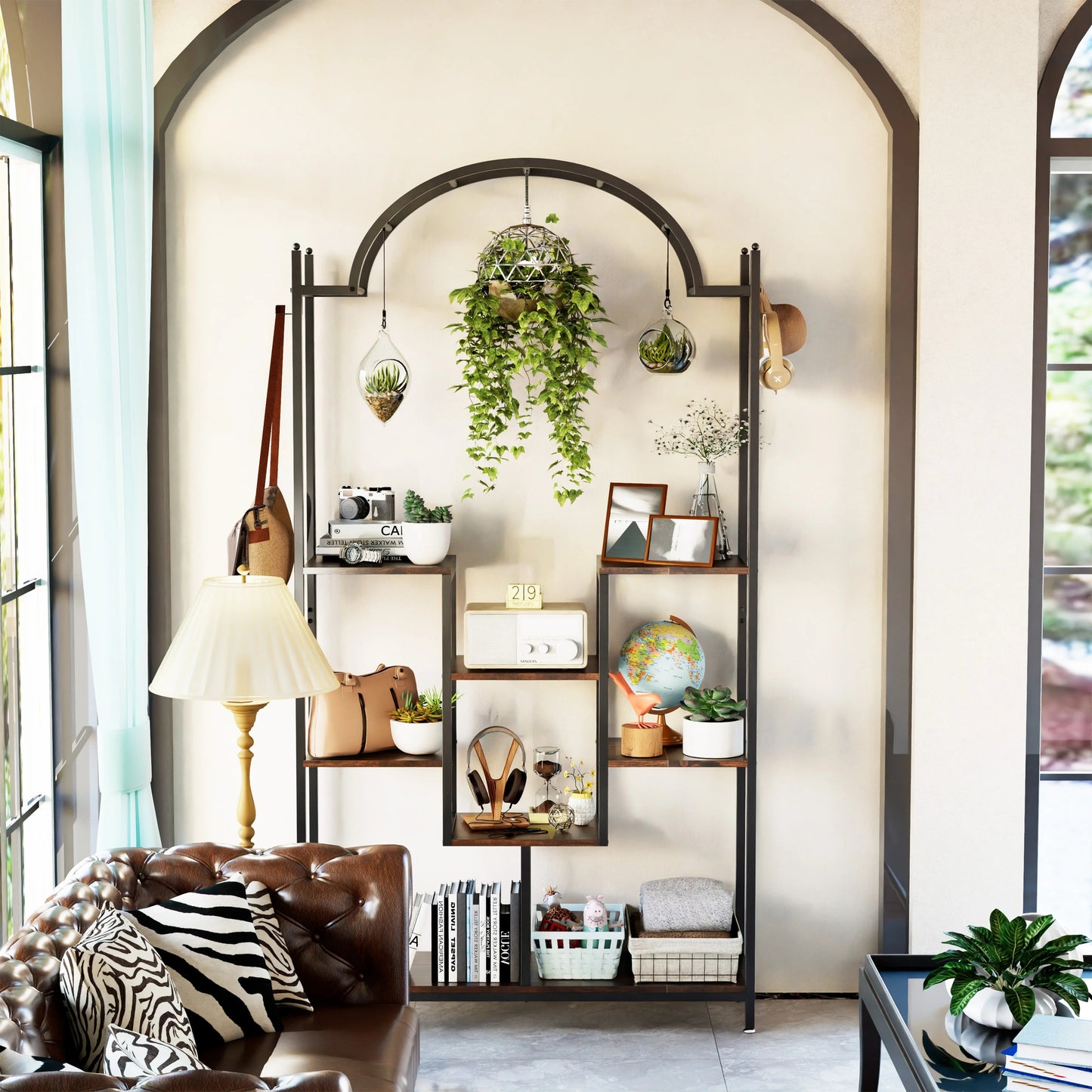
Our 5-tier half-moon bookshelf plant stand in an industrial curved design suits window-adjacent winter placement well - the curved profile allows it to sit close to a window without taking up a disproportionate amount of the available floor space, while the five tiers concentrate multiple plants within the brighter zone near the glass.
Winter is also the right time to review which plants on each stand are holding up well and which are declining. A declining plant left on a stand through winter creates additional moisture and biological load around it - a dying plant's decaying leaves and waterlogged soil affect both the stand surface and neighbouring plants. Removing plants that are not performing and replacing them with species better suited to winter light conditions is a practical seasonal adjustment.
For a detailed view of how metal stands specifically perform through UK winter conditions and what maintenance they need through the colder months, our post on keeping metal plant stands in humid and damp UK conditions covers the specifics in more detail.
Metro Elegance's outdoor plant stand collection includes options across wood, bamboo, and metal at a range of sizes suited to different outdoor positions and storage arrangements. If you are considering replacing an outdoor stand that has not survived recent winters well, the material and finish characteristics of different options are worth comparing before making the next choice.
For those building or expanding an indoor plant display, our indoor plant stand range covers the full spectrum from compact single-tier pieces to multi-shelf display stands, with constructions suited to year-round indoor use across the range of room conditions that UK homes present through different seasons.
A twice-yearly maintenance rhythm - thorough in spring, preparatory in autumn, with lighter ongoing attention in between - is practical enough to sustain and comprehensive enough to genuinely protect the stands and plants through the full seasonal cycle. The stands look better, the plants perform better, and the maintenance sessions themselves take less time when they happen at the right points rather than being deferred until damage has already accumulated.
Have Questions About Seasonal Care for Your Stand?
If you would like specific advice on maintaining a Metro Elegance stand through the changing seasons, or help choosing a stand that suits your outdoor or indoor conditions year-round, our team is happy to help. Get in touch with us here and we will give you practical, honest guidance.
Frequently Asked Questions
When should I do seasonal maintenance on my plant stand?
The two most important maintenance windows are spring - when winter damage can be assessed and treated before the growing season begins - and autumn, when stands are prepared for the hardest conditions of the UK year. A deep clean and surface treatment in spring, and a lighter inspection and preparation in autumn, covers the main seasonal maintenance needs for most stand types.
How do I prepare a wooden plant stand for winter in the UK?
Clean the stand thoroughly, apply a coat of exterior wood oil or preservative, and assess whether the stand can be moved under cover for the worst winter months. If it needs to stay outdoors, a breathable furniture cover reduces direct rain exposure while allowing airflow. Check joints and feet before winter arrives, and inspect again after hard frosts for any new damage.
Do indoor plant stands need seasonal maintenance?
Yes, though the tasks are different from outdoor stands. In winter, the main adjustments are repositioning stands closer to windows for better light, checking wooden stands for dryness caused by central heating, and applying a light wood oil if needed. In spring, a deep clean and surface treatment refreshes the stand's protective finish after a season of reduced ventilation and damp conditions.
Should I move my outdoor plant stand indoors for winter?
For wooden and bamboo stands in particular, moving them indoors or under cover for the months of heaviest frost and rain significantly extends their useful life. If storage space is limited, prioritise the stands made from materials most vulnerable to sustained damp - untreated or lightly treated wood benefits most from winter shelter. Metal stands with a powder-coated finish can generally remain outdoors with appropriate maintenance.
How do I check a plant stand for winter damage in spring?
Begin at the feet and base, which are most exposed to ground-level moisture. Check for softening, discolouration, or mould growth. Move upward to the joints, checking for any loosening or visible movement. Inspect shelf surfaces beneath pots that were not moved during winter. For metal stands, feel for rough patches in the coating that indicate chips or the start of rust.
Can bamboo plant stands stay outside through a UK winter?
In sheltered positions - under a porch overhang, against a wall with overhead cover - bamboo stands can manage through UK winters with appropriate treatment and care. In fully exposed positions with no overhead protection, bamboo is less suited to sustained winter outdoor use and benefits from being moved under cover during the coldest and wettest months. Applying a protective oil before winter and cleaning and retreating in spring helps maintain the surface in either case.
How does central heating in winter affect indoor plant stands?
Central heating reduces the ambient humidity in indoor spaces, which can cause wooden and bamboo stands to dry out slightly and contract. This is less damaging than excess moisture but can lead to surface cracking or loosening of joints over time in particularly dry heated rooms. A light application of wood oil in midwinter on stands in heated rooms helps maintain the surface and counteract the drying effect of continuous heating.