
Key Takeaways
- Rust on metal plant stands begins at the surface finish, not the metal itself - managing the finish is the primary rust prevention strategy.
- Powder-coated and epoxy-coated metal stands are significantly more resistant to UK rain and humidity than bare or painted steel.
- Small chips and scratches in the coating are the entry point for rust and should be treated promptly with a metal primer and touch-up paint before oxidation spreads.
- Cleaning frequency matters - grime and biological growth on metal surfaces trap moisture against the coating and accelerate deterioration at any damaged points.
- Where a stand is positioned outdoors makes a material difference - sheltered positions under overhangs or against walls reduce the overall moisture load considerably.
- Indoor metal stands in high-humidity rooms such as bathrooms and kitchens face a similar rust risk to outdoor stands and benefit from the same preventive approach.
- Choosing a stand with a rustproof finish from the outset is considerably more cost-effective than attempting to restore a rusted stand later.
Metal plant stands are a practical and visually versatile choice for UK homes and gardens. They hold their shape well, they come in a wide range of sizes and styles, and - when properly finished - they handle the damp conditions that come with British weather more reliably than most alternative materials. The complication is that not all metal stands are finished equally, and even the best finish requires some maintenance to stay effective in a climate as persistently wet as the UK's.
Rust is the straightforward consequence of iron or steel being exposed to moisture and oxygen over time. The chemistry is simple: iron oxidises in the presence of water and air, producing iron oxide, which is the reddish-brown material we recognise as rust. A protective finish - whether powder coat, epoxy, galvanising, or paint - interrupts this process by preventing moisture from reaching the bare metal. When that finish is intact, rust risk is low. When it is damaged, chipped, or worn away, the underlying metal becomes vulnerable.
Understanding this helps make the maintenance approach feel more logical rather than like an arbitrary checklist. At Metro Elegance, we design our metal plant stands with practical use in mind, including outdoor use in UK conditions. This guide covers how to keep those stands rust-free through the full range of conditions British weather produces.
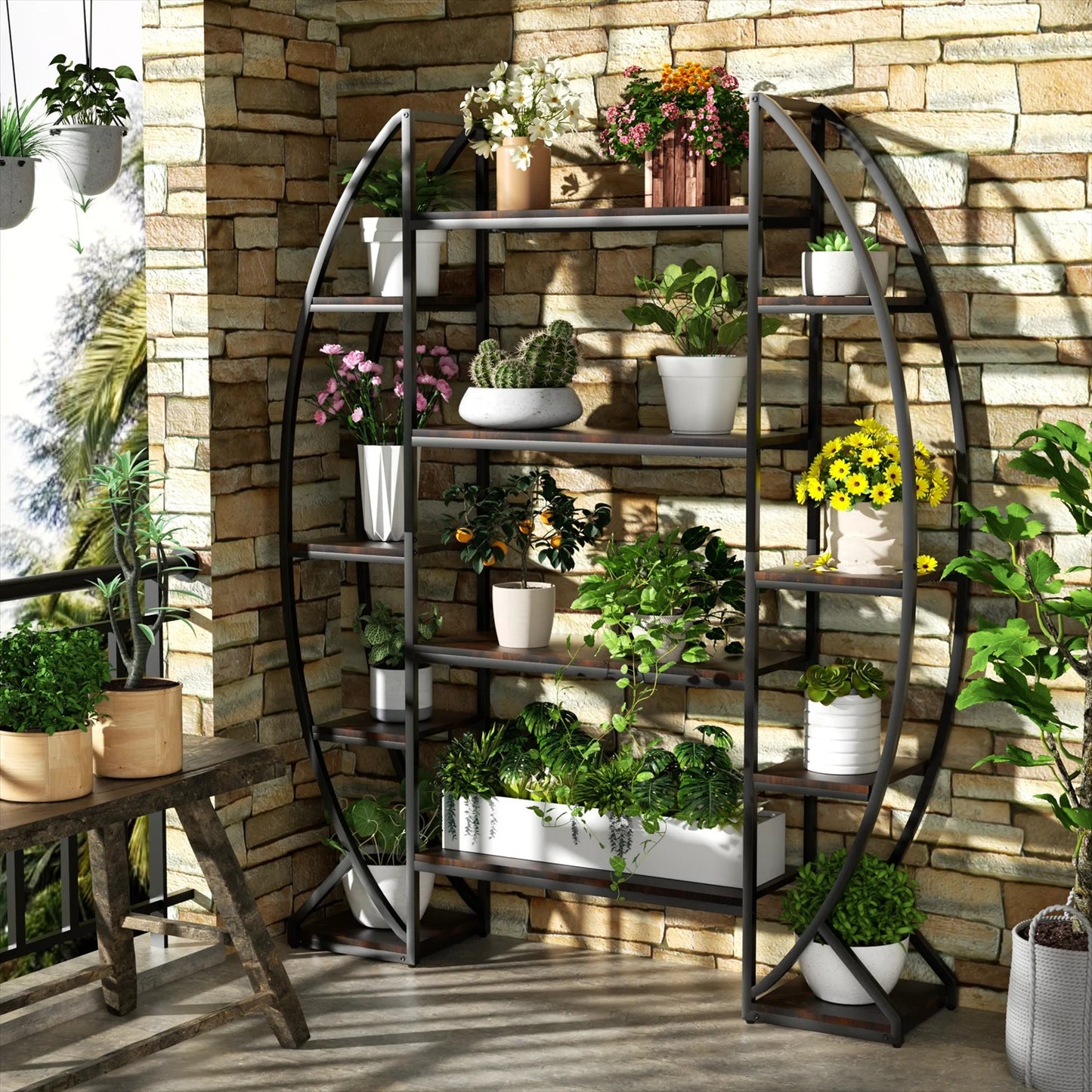
Why UK Rain Creates Specific Challenges for Metal Stands
The UK's rainfall is not the heaviest in the world by volume, but it is notable for its frequency and consistency. Rather than concentrated heavy seasonal downpours, much of England, Wales, and Scotland experiences moderate rainfall distributed across much of the year. This means outdoor metal stands rarely have extended dry periods during which any absorbed surface moisture can fully evaporate.
Coastal areas face an additional challenge in the form of salt air, which accelerates corrosion on metal surfaces more aggressively than fresh water. Anyone with a garden or balcony within a few kilometres of the sea will find that metal surfaces - including plant stands - show signs of surface degradation faster than they would in an inland location. For coastal positions, choosing a stand with the most robust finish available is particularly worth the investment.
Temperature variation between seasons also plays a role. Metal contracts slightly in cold temperatures and expands in warm ones. Over time and across multiple seasons, this thermal cycling can cause hairline stress at weld points and joints - small cracks where moisture can enter even when the external surface finish appears intact.
Understanding Metal Finish Types
The level of rust protection a metal stand offers depends significantly on how the metal has been finished. Not all finishes perform equally, and knowing the difference helps when choosing a stand and understanding what maintenance it needs.
Powder coating is the finish that appears most frequently on quality outdoor metal plant stands. It involves applying a dry powder electrostatically to the metal surface and then curing it under heat, which bonds the coating into a hard, even layer. Powder coating is considerably more durable than liquid paint and bonds to the metal surface more uniformly, with fewer pinholes or thin spots that could allow moisture ingress. It also resists chipping better than standard paint under normal handling.
For outdoor use in the UK, a powder-coated finish is a practical and reliable choice. The main vulnerability of powder coat is impact damage - if the stand is knocked, dropped, or scraped, the coating can chip at the point of impact, exposing bare metal. Treating these chips promptly is the central maintenance task for powder-coated metal stands.
Epoxy coatings offer similar or slightly greater chemical resistance compared to standard powder coat and are used on some higher-specification outdoor metal products. They handle prolonged moisture exposure well and resist degradation from the organic acids that can be present in soil and plant drainage.
Galvanising - the process of applying a zinc coating to steel - provides rust protection through a different mechanism. The zinc itself corrodes preferentially to the underlying steel, effectively sacrificing itself to protect the metal beneath. Galvanised stands are particularly suited to fully exposed outdoor positions. The finish is not as visually refined as powder coat, giving a more industrial appearance, but the protection it provides in persistent damp conditions is considerable.
Standard paint finishes offer the least durable rust protection of the options listed here. Paint applied over bare metal can provide reasonable short-term protection but is more susceptible to chipping, UV fading, and moisture ingress through pinholes in the coating. Stands with a standard painted finish need more frequent maintenance outdoors in UK conditions than powder-coated or galvanised alternatives.
Choosing the Right Stand for Outdoor Use
The maintenance task is reduced considerably by choosing a stand whose finish is appropriate for the intended position from the outset. This is a decision that is worth making carefully rather than after the fact.
Our 4-tier metal plant stand for indoor and outdoor use, including balcony and living room settings is a good example of a metal stand designed with practical outdoor conditions in mind. The four-tier structure gives a useful range of display heights, and the finish is suited to the moisture exposure that comes with balcony or garden use in the UK.
For larger outdoor displays or garden settings where more capacity is needed, our 9-tier metal plant stand with multi-layer design for garden, patio, and balcony use provides significantly more display space while maintaining a finish designed for outdoor exposure.
The distinction between a stand designed for indoor use with occasional outdoor exposure and one designed specifically for outdoor use is worth paying attention to when selecting. Stands in our metal plant stand range are a practical starting point for identifying which options are suited to sustained outdoor conditions.
Practical Rust Prevention: What to Do and When
Prevention is more straightforward than remediation. Once rust has taken hold on a metal surface, removing it and restoring the finish takes considerably more effort than the regular maintenance that would have prevented it.
Inspect the surface finish regularly. For outdoor stands, a monthly visual check during the wetter months of the year takes very little time and catches chips and scratches before moisture has had time to cause significant oxidation beneath the surface. Pay particular attention to weld points, joints, and the feet of the stand - areas where water tends to collect or where mechanical stress from movement may have caused hairline cracks in the finish.
Treat any coating damage promptly. When a chip or scratch is identified, clean the area gently with a damp cloth and allow it to dry fully. Apply a thin coat of a metal primer to the exposed area, allow it to cure according to the product instructions, and follow with a touch-up paint that matches the stand's finish colour. This process takes a few minutes and prevents what would otherwise be a spreading rust patch that becomes increasingly difficult to manage.
Clean the stand regularly. Grime, algae, and biological growth on metal surfaces do not cause rust directly, but they trap moisture against the coating and create conditions in which any minor surface damage is more likely to develop into active rust. For outdoor stands, a wash with warm soapy water and a soft brush every few weeks during the growing season is sufficient to keep surfaces clean. A firmer brush can be used for any areas of algae growth on horizontal surfaces, but avoid abrasive scrubbing pads that could scratch the finish.
Dry the stand after cleaning. Leaving a metal stand wet after washing prolongs the period of moisture contact with the surface. Wiping the main surfaces dry after cleaning is a minor step that reduces unnecessary moisture exposure.
Consider the stand's position carefully. An outdoor metal stand positioned against a wall or fence is shielded from the worst of driving rain compared to one in an open centre-of-garden position. A stand under a porch overhang or pergola receives substantially less overall rainfall exposure than one in an unsheltered spot. Where the choice exists, positioning a stand in a more sheltered location reduces the rate of finish wear meaningfully without requiring any additional maintenance effort.
Seasonal Maintenance Schedule for Outdoor Metal Stands
Breaking maintenance into seasonal tasks makes the routine easier to follow and ensures that no critical period is missed.
Spring is the most active maintenance period. After the dampest months of the year, inspect the entire stand surface carefully for any rust development, coating chips, or signs of corrosion at the joints and welds. Treat any affected areas with primer and touch-up paint. Clean the stand thoroughly, including the feet and any horizontal surfaces where water may have pooled. This is also a good time to check the stability of the stand and tighten any loose fixing points.
Summer requires lighter maintenance. Monitor the finish for UV fading on south-facing positions, and treat any new chips or scratches as they occur. Keep the stand clean, particularly during warm damp periods when biological growth on surfaces is faster.
Autumn is the preparation season before the worst of the winter rain arrives. A thorough clean and a careful inspection of the finish ensures the stand enters the wettest months in the best possible condition. If any rust patches were developing over summer and were not fully treated, address them before autumn rain makes the problem worse.
Winter is the most challenging season for outdoor metal stands in the UK, particularly in the north and in coastal areas. If it is practical to move the stand under cover - into a garage, shed, or covered porch - during the months of heaviest sustained rain and frost, that is worth doing. If the stand needs to remain outdoors, a breathable furniture cover that sheds water while still allowing some airflow reduces the intensity of moisture exposure during prolonged wet periods.
Addressing Rust That Has Already Developed
If rust has already developed on a metal stand, it can often be addressed before it reaches the structural metal, provided it is caught at a relatively early stage.
Surface rust - the reddish-brown discolouration that appears on the finish surface but has not yet penetrated deeply - can be treated by removing the rust mechanically. Fine-grit wet-and-dry sandpaper used gently on the affected area removes surface oxidation. After sanding, clean away all dust and metal particles, allow to dry, and apply a rust-inhibiting metal primer before finishing with touch-up paint. Products labelled as rust converters can also be used on surface rust - they chemically convert iron oxide into a more stable compound that can then be painted over.
Deeper rust that has penetrated to the structural metal and caused pitting or significant weakening of the surface is harder to address without professional equipment, and at that stage it may be more practical to replace the stand than to attempt restoration.
Our post on metal plant stands in humid UK weather covers the specific performance characteristics of metal stands across different humidity conditions in more detail, which complements the rust prevention focus of this article.
Indoor Metal Stands in High-Humidity Rooms
Rust prevention is not exclusively an outdoor concern. Metal plant stands in bathrooms, kitchens, and conservatories face humidity levels that can be comparable to sheltered outdoor conditions. Steam from showers and cooking raises the ambient moisture in the air, and metal surfaces in these rooms can develop surface rust at joints and on any areas where the coating has been damaged.
For metal stands used in high-humidity indoor rooms, the same principles apply as outdoors: choose a stand with a robust coating, inspect the finish regularly, and treat any damaged areas promptly. Wiping down the stand after heavy steam exposure - after a shower or a long cooking session - and ensuring good ventilation in the room reduces the ongoing moisture load on the surface.
For a broader view of how metal compares with wood and bamboo across different environments and use cases, our guide on choosing the right material and style for your plant stand is useful background reading before making a purchase decision.
Metro Elegance also offers a full outdoor plant stand collection that covers both metal and treated wood options across a range of sizes and styles, with finishes selected for practical use in UK outdoor conditions. Choosing from within this range - rather than adapting an indoor stand to outdoor use - is the most straightforward way to start with the right level of weather resistance from day one.
A metal plant stand that is chosen well, positioned thoughtfully, and maintained consistently is a durable and low-effort piece of outdoor or indoor furniture. The maintenance required to keep it rust-free is genuinely modest - regular cleaning, prompt treatment of any coating damage, and seasonal checks. The return on that modest effort is a stand that continues to look well and perform structurally across many years of UK use.
Have Questions About Caring for Your Metal Plant Stand?
If you would like specific advice on maintaining a Metro Elegance stand you already own, or help selecting a metal stand suited to your outdoor or indoor position, our team is happy to help. Get in touch with us here and we will give you straightforward, practical guidance.
Frequently Asked Questions
How do I stop my metal plant stand from rusting outdoors in the UK?
The primary approach is maintaining the surface finish that protects the bare metal from moisture. Choose a stand with a powder-coated or rustproof finish, inspect regularly for chips and scratches, treat any coating damage promptly with metal primer and touch-up paint, and keep the surface clean. Positioning the stand in a sheltered location reduces overall moisture exposure.
Can I leave a metal plant stand outside in UK rain?
Metal stands with a powder-coated or galvanised finish can handle UK outdoor conditions reasonably well with proper maintenance. The key factors are the quality of the original finish, how well any coating damage is managed, and whether the stand is positioned in a sheltered or exposed location. Stands left in fully exposed positions through all seasons will require more frequent maintenance than those in sheltered spots.
How do I treat rust on a metal plant stand?
For surface rust, use fine-grit wet-and-dry sandpaper to gently remove the oxidation, clean away all dust and particles, allow to dry, and apply a rust-inhibiting metal primer. Finish with a touch-up paint that matches the stand's colour. Rust converters are an alternative for surface rust, chemically stabilising the oxidation before painting. Deep structural rust is harder to address and may require replacement of the affected piece.
What is the most rust-resistant finish for an outdoor metal plant stand?
Powder coating and galvanising are the most durable finishes for outdoor use in wet UK conditions. Powder coat provides a hard, even layer that resists chipping and moisture penetration. Galvanising offers protection through a zinc layer that corrodes preferentially to the underlying steel. Both outperform standard paint finishes in terms of longevity and moisture resistance.
Do metal plant stands rust indoors?
Metal stands in high-humidity indoor rooms - bathrooms, kitchens, conservatories - can develop surface rust at joints and on damaged coating areas, as ambient steam and humidity creates conditions similar to a sheltered outdoor position. The same maintenance principles apply indoors as outdoors: inspect the finish regularly, treat any damage promptly, and keep the surface clean and dry where possible.
How often should I check my outdoor metal plant stand for rust?
A monthly visual check during the wetter months of autumn and winter is a practical frequency for most outdoor stands. In summer, a check every few weeks is sufficient. Pay particular attention to weld points, joints, and the feet of the stand, where water tends to collect or where mechanical stress may have caused hairline cracks in the finish.
Is it worth buying a more expensive rustproof metal plant stand?
A stand with a better-quality finish - powder coat or rustproof treatment - typically requires considerably less maintenance over its lifetime than a cheaper painted alternative, and is less likely to need early replacement due to rust damage. The upfront cost difference is generally offset by the reduced maintenance effort and longer usable life, particularly for stands in exposed outdoor positions or high-humidity indoor rooms.