
Key Takeaways
- Combining tall and short plant stands creates depth and visual balance
- Layering heights helps guide the eye and structure your space naturally
- A mix of levels works especially well in small and open-plan homes
- Consistent materials and colours keep the overall look cohesive
- Strategic placement improves light exposure and plant health
- Thoughtful layering transforms simple greenery into a design feature
Why Layering Heights Changes the Look of a Room
When styling with plants, it is easy to focus on the greenery itself. But the way you position those plants has just as much impact as the plants you choose.
Layering different heights introduces structure. It creates a sense of movement within a space without adding clutter. Instead of everything sitting at one level, your eye moves naturally from low to high, making the room feel more considered and complete.
At Metro Elegance, we design our furniture with this principle in mind. A well-balanced interior is not about adding more items. It is about arranging them in a way that feels effortless and refined.

Understanding the Role of Tall vs Short Plant Stands
Before combining them, it helps to understand what each type contributes.
Tall plant stands
Tall stands bring vertical interest. They draw the eye upward and make ceilings feel higher. This is particularly useful in compact UK homes where space is limited.
Short plant stands
Shorter stands ground the space. They create stability and help balance taller elements so the room does not feel top-heavy.
When used together, these two heights create contrast that feels natural rather than forced.
If you want a deeper comparison of how each type works individually, this guide explains the differences clearly:
tall vs short plant stand comparison
Start with a Visual Anchor
Every well-styled setup needs a starting point.
Begin with one taller piece that anchors the arrangement. This could be placed in a corner or beside a key piece of furniture like a sofa or console table.
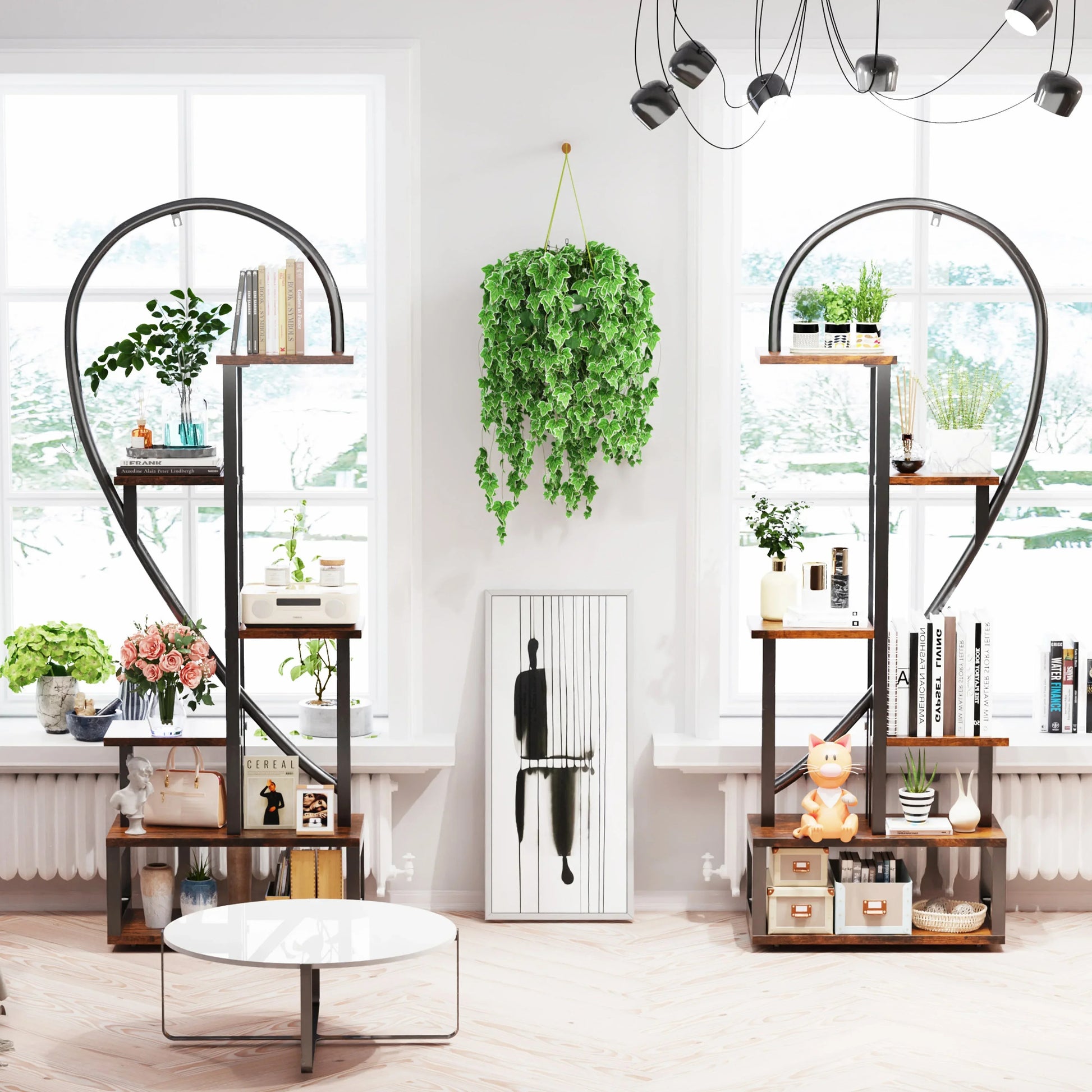
A design such as the 6-tier large triangular wood plant stand for corner display works well as a central feature. Its height and structure create a strong visual base for layering around it.
Once your anchor is in place, you can build outward using lower elements.
Build Around It with Lower Levels
After placing your taller stand, introduce one or two shorter stands nearby.
These should not compete with the main piece. Instead, they should support it by creating a gradual transition in height.
For example:
- A tall corner stand as the focal point
- A mid-height stand beside it
- A small stand or floor plant to complete the composition
A compact option like the 2-tier indoor plant stand bamboo planter can help introduce this lower level without adding bulk.
This layered effect creates a natural flow rather than a flat arrangement.
Use Collections to Keep the Look Cohesive
One of the challenges with mixing heights is maintaining consistency.
Different shapes, colours, and materials can quickly make the space feel disjointed. To avoid this, it helps to stay within a unified style.
The tall plant stand range and the broader plant stand collection are designed to complement each other, making it easier to combine pieces without losing visual harmony.
Keeping finishes consistent allows the variation in height to stand out without introducing unnecessary complexity.
Create Depth Without Clutter
Layering heights is not about adding more items. It is about arranging them more thoughtfully.
A common mistake is overcrowding the space once multiple stands are introduced. Instead:
- Leave gaps between stands
- Avoid filling every tier with plants
- Keep surrounding areas clean
This use of negative space allows each level to stand out and prevents the arrangement from feeling busy.
If you are working with limited space, this guide on choosing stands for smaller homes offers useful insights:
plant stands for compact living spaces
Think About Light and Plant Health
Layering heights is not just about aesthetics. It also affects how your plants receive light.
Taller stands can sometimes block light from reaching lower plants if not positioned carefully.
To avoid this:
- Place taller stands slightly behind shorter ones
- Rotate plants regularly
- Group plants with similar light needs together
This ensures that your setup remains both visually appealing and practical.
You can explore more practical placement ideas in this guide:
how to maximise light using tiered plant stands
Use Corners and Edges Strategically
Corners are one of the most effective areas for layering heights.
A tall stand can sit neatly in the corner, while shorter pieces extend outward along the wall or floor. This creates a gradual visual spread rather than a sudden stop.
This approach works well in:
- Living rooms
- Hallways
- Home offices
It allows you to introduce greenery without interrupting movement or making the space feel crowded.
Balance with Existing Furniture
Plant stands should complement your furniture, not compete with it.
When layering heights, consider nearby pieces:
- Match the height of stands with sofas or tables
- Align finishes with wood, metal, or glass elements
- Avoid placing tall stands where they block key focal points
At Metro Elegance, our collections are designed to work together. This makes it easier to create a cohesive space where every element feels connected.
Keep the Colour Palette Simple
Layering heights already introduces visual variation. Adding too many colours can make the setup feel overwhelming.
Instead:
- Stick to neutral tones
- Let greenery provide contrast
- Avoid mixing too many finishes
This ensures that the arrangement feels calm and intentional.
Build Gradually for a Natural Look
One of the most effective ways to achieve a balanced layout is to build it over time.
Start with:
- One tall stand
- One shorter piece
- A few well-chosen plants
Then adjust placement based on how the space feels.
At Metro Elegance, we always encourage a gradual approach. It allows your space to evolve naturally rather than feeling staged.
Final Thoughts
Layering tall and short plant stands is a simple idea, but it can completely change how a room feels.
By combining different heights, you introduce depth, balance, and structure without adding unnecessary clutter. The result is a space that feels both modern and comfortable.
When done thoughtfully, plant stands become more than functional pieces. They help shape the overall design of your home.
At Metro Elegance, we believe that these small details are what bring a space together. With the right combination of height, material, and placement, even a simple arrangement can feel refined and complete.
CTA
Ready to elevate your space with layered plant styling?
Explore our curated collections or speak with our team for personalised advice.
👉 Contact Metro Elegance
FAQ
How do you arrange tall and short plant stands together?
Start with a taller stand as your focal point, then place shorter stands nearby to create a gradual transition in height. Keep spacing consistent and avoid overcrowding. This creates a natural flow that guides the eye without making the arrangement feel busy or unbalanced.
What is the ideal number of plant stands to use in one space?
There is no strict number, but most spaces benefit from two to four stands arranged at different heights. The goal is to create variation without clutter. It is often better to start with fewer pieces and adjust based on how the room feels.
Can mixing plant stand heights make a room look bigger?
Yes, layering heights can help create the illusion of more space. Taller stands draw the eye upward, while shorter ones keep the layout grounded. This combination adds depth and makes the room feel more open and dynamic.
Should all plant stands match in style?
They do not need to be identical, but they should feel cohesive. Using similar materials, colours, or finishes helps maintain a unified look. This allows the variation in height to stand out without creating visual confusion.
Where should I place tall plant stands in a room?
Tall stands work best in corners, beside furniture, or near windows. These positions allow them to act as vertical accents without blocking movement. They can also help frame a space and draw attention to key areas.
How do I prevent my setup from looking cluttered?
Focus on spacing and restraint. Avoid filling every level of your stands and leave room between elements. Keeping surrounding surfaces clear also helps maintain a clean and minimalist look.
Do plant stands affect plant growth or health?
They can, depending on placement. Taller stands may block light from reaching lower plants if positioned incorrectly. To avoid this, arrange stands so all plants receive adequate light and group those with similar care needs together.