
Key takeaways
- Indoor and outdoor plant stands are designed for very different environments
- Materials and finishes matter more than most people realise
- Weight, drainage, and weather exposure affect outdoor stand choices
- Indoor stands focus on aesthetics, scale, and floor protection
- Choosing the right type improves both plant health and home styling
Plant stands often look similar at first glance, but indoor and outdoor designs serve very different purposes. Using the wrong type can lead to damaged flooring, unstable displays, or shortened product lifespan. For UK homes, where space, weather, and interior styling all play a role, understanding the difference is essential.
At Metro Elegance, we help customers choose plant stands that work in real living conditions. This guide explains the practical and visual differences between indoor and outdoor plant stands, so you can make confident decisions for your home, balcony, or garden.
What defines an indoor plant stand?
Indoor plant stands are designed with interiors in mind first. Their role is not only to hold plants, but also to complement furniture, finishes, and room proportions.
Materials used indoors
Most indoor plant stands are made from materials that prioritise appearance and weight over weather resistance. Common options include bamboo, wood, coated metal, and mixed material designs.
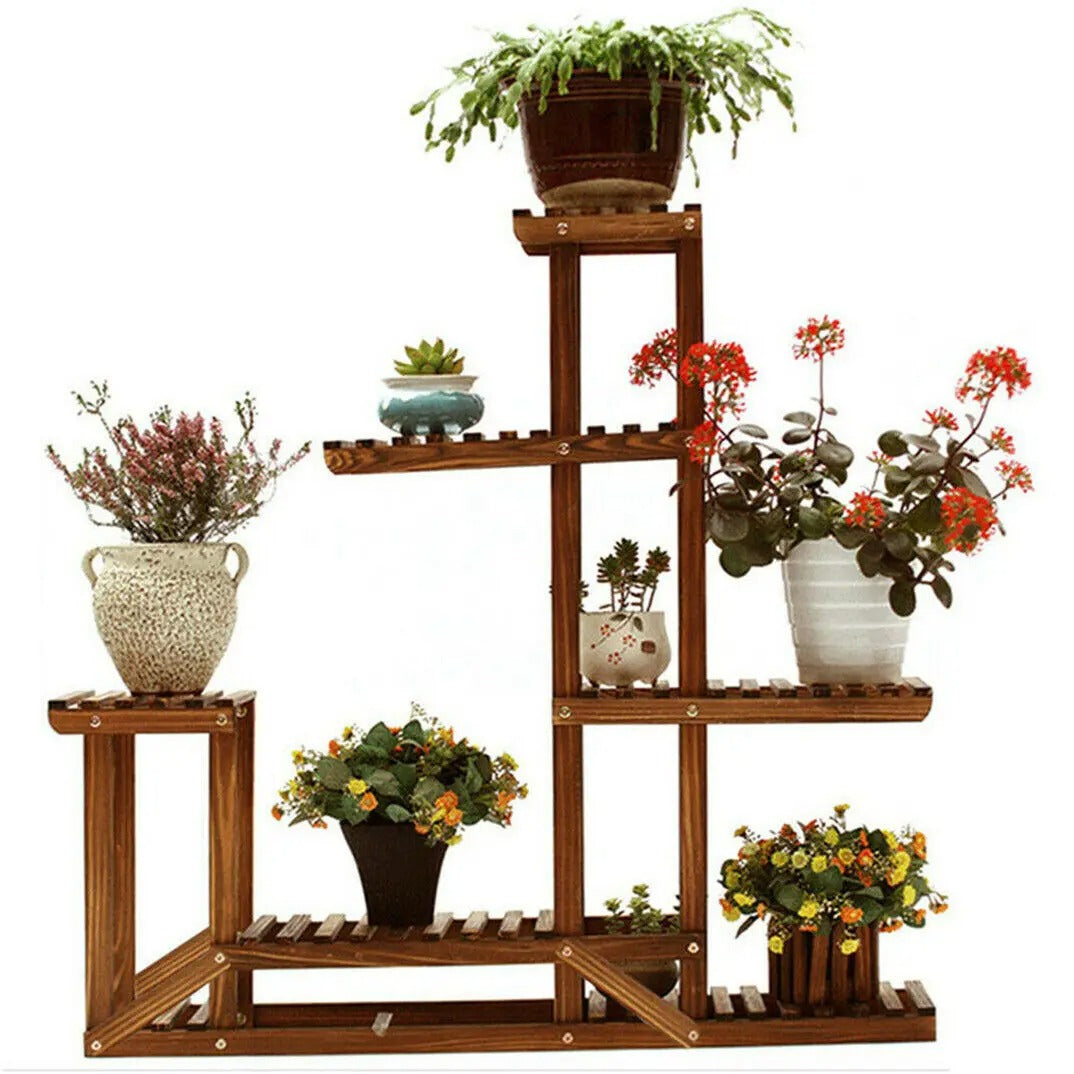
For example, a piece like the 2-tier indoor bamboo plant stand is well suited to living rooms and bedrooms. It offers stability while remaining lightweight and visually calm.
Design and scale
Indoor stands tend to have:
- Slimmer frames
- Lighter visual weight
- Softer finishes that blend with furniture
They are often designed to sit beside sofas, under windows, or in corners without interrupting walkways.
Floor protection
Indoor plant stands usually include smooth feet or bases to reduce the risk of floor damage. This is particularly important in UK homes with wood, laminate, or tiled flooring.
If you are focusing purely on interior use, our indoor plant stand range brings together styles designed specifically for these conditions.
What makes an outdoor plant stand different?
Outdoor plant stands are built to handle exposure. Even in sheltered UK gardens or balconies, moisture, temperature changes, and wind all affect performance.
Weather resistant materials
Outdoor plant stands are typically made from:
- Treated or sealed wood
- Powder-coated or rust-resistant metal
- Heavier materials for stability
A design such as the 4-layer rolling plant stand with wheels reflects this approach, offering strength and flexibility for patios and balconies.
Weight and balance
Outdoor stands are often heavier than indoor options. This helps prevent tipping in wind and allows them to support larger pots and soil volumes.
Drainage considerations
Outdoor setups usually need space for excess water to drain away. Many outdoor stands are designed to work with pots that include drainage holes, which would be impractical indoors without additional trays.
Our outdoor plant stand collection focuses on durability and structure while still maintaining a clean, modern look.
Key differences at a glance
Environment
Indoor stands are designed for controlled conditions, while outdoor stands must cope with changing weather.
Aesthetics
Indoor plant stands prioritise visual harmony with furniture and décor. Outdoor designs focus more on strength and longevity.
Maintenance
Indoor stands typically require minimal upkeep. Outdoor stands may need periodic checks, especially after extended exposure to moisture.
Placement flexibility
Indoor stands are easier to move and rearrange. Outdoor stands are often positioned more permanently.
Can one plant stand be used both indoors and outdoors?
Some plant stands are marketed as suitable for both settings. In practice, this depends on material and finish.
A treated metal stand may work indoors and outdoors, provided it does not scratch floors. Bamboo and untreated wood designs are generally better kept indoors, where humidity levels are more stable.
If you are unsure, it helps to understand how materials behave over time. Our article on metal plant stands and modern indoor gardens explores this balance in more detail.
How to choose the right plant stand for your space
Consider where the plant will live most of the time
Occasional movement between indoors and outdoors is different from permanent placement. Choose based on the dominant environment.
Match the stand to the plant size
Indoor plants are often smaller and lighter. Outdoor plants can be heavier and top-heavy, requiring stronger frames.
Think about light and layout
Indoor stands often help lift plants closer to windows. Multi-tier designs can improve light access, as discussed in our guide to using tiered plant stands to maximise light for your plants.
Balance style with practicality
For interiors, visual simplicity usually works best. Outdoors, function tends to come first, with style as a close second.
If you are shopping for garden or balcony setups, our outdoor plant stand buying guide for UK gardens offers further practical advice.

Common mistakes to avoid
- Using untreated wood stands outdoors
- Placing heavy outdoor stands on delicate indoor flooring
- Ignoring drainage needs when moving outdoor pots inside
- Choosing indoor stands that are too lightweight for larger plants
These issues are easy to avoid once the differences are clear.
Why understanding the difference matters
Choosing the right plant stand improves more than just appearance. It supports plant health, protects surfaces, and ensures your furniture lasts as intended.
At Metro Elegance, we design and curate plant stands with real homes in mind. Whether you are styling a living room, upgrading a balcony, or planning a garden corner, understanding indoor versus outdoor use helps you invest wisely.
If you would like personalised advice on selecting the right plant stand for your space, we are always happy to help.
👉 Contact us here to speak with our team.
Frequently asked questions
Can I use an indoor plant stand outside?
Indoor plant stands are generally not designed for prolonged outdoor exposure. Moisture and temperature changes can shorten their lifespan.
Are outdoor plant stands safe to use indoors?
They can be, but heavier materials may damage floors unless protective pads are used.
What material lasts longest outdoors in the UK?
Treated metal and properly sealed wood tend to perform better in UK weather conditions.
Do indoor plant stands need drainage trays?
Yes, if the plant pot has drainage holes. Trays help protect flooring from excess water.
Which plant stand is best for a balcony?
Compact, weather-resistant designs with stable bases work best, especially in exposed areas.
How do I know if a stand is indoor or outdoor rated?
Product descriptions usually indicate intended use. When unsure, check material type and finish.
Can one stand support multiple plants safely?
Yes, if it is designed as a multi-tier or grouped display and used within its weight limits.