
Key Takeaways
- Wall mirrors have evolved from decorative status symbols to everyday design essentials
- British mirror styles reflect changing architecture, materials, and lifestyles
- Antique mirrors focused on craftsmanship and ornamentation
- Modern designs prioritise simplicity, function, and versatility
- Today’s interiors often blend traditional and contemporary mirror styles
- Choosing the right mirror involves understanding both heritage and modern design needs
A Reflection of Changing British Interiors
Wall mirrors have always held a unique place in British homes. They are not simply functional objects. They reflect light, space, and the character of a room. Over time, their role has evolved alongside changes in architecture, materials, and how people live.
From ornate antique pieces in period homes to clean-lined designs in modern flats, mirrors tell a story of shifting tastes and priorities. At Metro Elegance, we see this history not as something fixed, but as a source of inspiration for contemporary living.
Understanding where mirror design comes from helps in making better choices today. It allows you to select pieces that feel considered rather than purely decorative.

Early British Mirrors: Craftsmanship and Status
In earlier periods of British design, mirrors were often associated with wealth and craftsmanship. They were not as widely accessible as they are now, which made them more than functional objects.
Ornate Frames and Materials
Early mirrors featured:
- Carved wooden frames
- Gilded finishes
- Decorative motifs inspired by nature and architecture
These mirrors were designed to stand out. They often acted as focal points in drawing rooms and hallways.
Placement in Period Homes
Mirrors were carefully positioned to enhance candlelight and natural light. This practical purpose was paired with a strong decorative presence.
Even today, elements of these early designs continue to influence modern collections, particularly in more decorative styles.
The Victorian and Edwardian Influence
As British homes became more structured and defined during the Victorian and Edwardian periods, mirrors adapted accordingly.
Larger, Statement Pieces
Mirrors became larger and more prominent. They were often placed above fireplaces or along hallway walls to create symmetry.
Increased Accessibility
Advancements in production made mirrors more widely available. While still decorative, they became a more common feature in everyday homes.
Balance Between Function and Design
During this period, mirrors began to serve both practical and aesthetic roles more equally.
This balance is still relevant today. Many modern interiors aim to achieve the same combination of usability and visual appeal.
Mid-Century Shifts: Simplicity and Function
Moving into the mid-century period, British design began to shift towards simplicity. Interiors became more functional, and decorative elements were often reduced.
Cleaner Lines
Mirror designs became less ornate. Frames were simpler, and shapes were more geometric.
Focus on Practical Use
Mirrors were increasingly used for:
- Dressing areas
- Hallways
- Smaller living spaces
This period marked the beginning of the modern approach to interior design, where every element serves a purpose.
Contemporary British Mirror Design
Today, wall mirrors are more versatile than ever. They are used not only for reflection but also for shaping space and enhancing light.
Minimalist and Frameless Styles
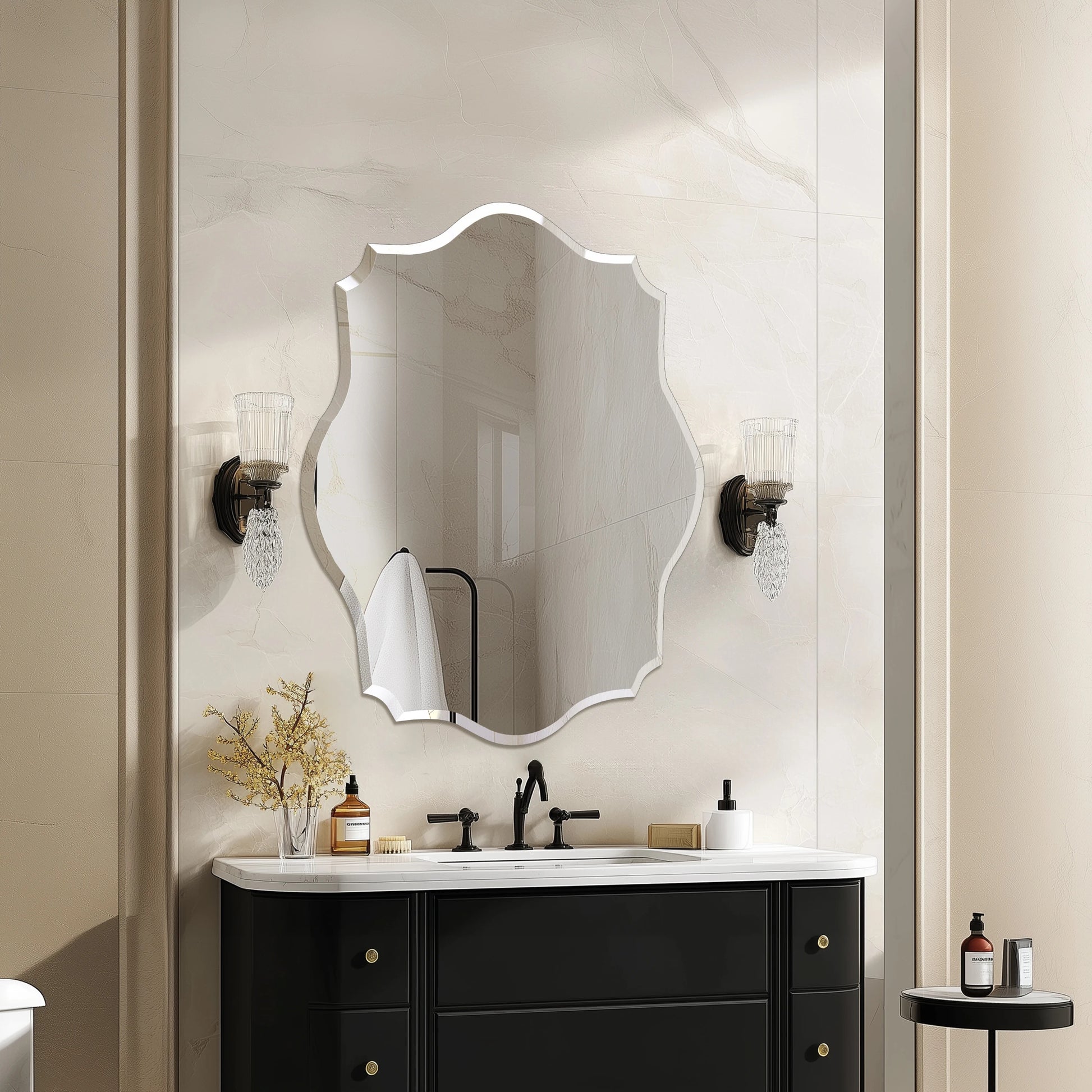
Modern interiors often favour simplicity. Frameless designs or subtle frames allow mirrors to blend seamlessly into the space.
A piece like the frameless rectangle wall mirror with beveled silver edge reflects this approach, offering clarity without visual distraction.
Statement Shapes
Contemporary mirrors also explore more creative forms.
The asymmetrical irregular wall mirror for fireplace or living room introduces movement and individuality into a room while maintaining a modern feel.
Decorative Modern Glam
While minimalism is popular, there is still space for decorative elements.
The rectangle crystal crushed diamond wall mirror shows how texture and light reflection can add interest without overwhelming the space.
Blending Antique and Modern Styles
One of the most interesting aspects of current British interiors is the blending of styles. Rather than choosing purely antique or purely modern pieces, many homeowners combine elements from both.
Why This Works
- It creates contrast and depth
- It prevents spaces from feeling overly uniform
- It allows personal style to come through
For example, a modern sofa paired with a decorative mirror can create a balanced and layered look.
At Metro Elegance, we design collections that make this combination easier to achieve. Our pieces are intended to complement both traditional and contemporary interiors.
You can explore a range of styles within our wall mirror decor collection, where different influences come together in a cohesive way.
The Role of Mirrors in Modern UK Homes
Beyond their historical development, mirrors continue to serve practical purposes in today’s homes.
Enhancing Light
Mirrors reflect both natural and artificial light, helping rooms feel brighter and more open.
Creating the Illusion of Space
In smaller homes or flats, mirrors can make rooms appear larger.
If you are working with limited space, this guide on making smaller interiors feel more open with mirrors explains how placement can influence perception.
Defining Areas
In open-plan layouts, mirrors can help define different zones without adding physical barriers.
This approach is explored further in this article on using mirrors to shape open-plan spaces.
Choosing the Right Mirror Today
With so many options available, selecting the right mirror involves more than just choosing a style.
Consider Your Space
Think about the size, layout, and lighting conditions of the room.
Balance Style and Function
A mirror should enhance both the appearance and usability of the space.
Think Long Term
Trends change, but well-chosen designs remain relevant over time.
If you are unsure where to start, this guide on selecting a mirror that suits your home and lifestyle offers practical advice.
Bringing History Into Modern Living
The history of wall mirrors in British design is not just about the past. It informs how we design and style our homes today.
From ornate antique frames to minimalist contemporary pieces, each stage reflects changing lifestyles and preferences. By understanding this evolution, it becomes easier to choose mirrors that feel both relevant and enduring.
At Metro Elegance, we draw on these influences to create collections that suit modern living while respecting the principles of timeless design. Our goal is to offer pieces that feel considered, adaptable, and aligned with how people use their homes today.
CTA
Looking to find a mirror that reflects your style and space?
Explore our collections or speak with our team for personalised guidance tailored to your home.
FAQ
How have wall mirrors evolved in British design?
Wall mirrors have evolved from ornate, handcrafted pieces in period homes to versatile, functional designs used in modern interiors.
What defines an antique wall mirror?
Antique mirrors typically feature decorative frames, detailed craftsmanship, and traditional materials such as carved wood or gilded finishes.
Are modern mirrors suitable for traditional homes?
Yes, modern mirrors can work in traditional homes when chosen carefully. Mixing styles can create a balanced and layered interior.
Why are mirrors important in interior design?
Mirrors enhance light, create a sense of space, and act as decorative elements that contribute to the overall design of a room.
What is the difference between frameless and framed mirrors?
Frameless mirrors offer a clean, minimalist look, while framed mirrors add structure and can introduce additional design elements.
How do I choose a mirror for my home?
Consider the size of the space, the style of your interior, and how the mirror will be used. Placement and proportion are key factors.
Can mirrors make a room look bigger?
Yes, when placed correctly, mirrors can reflect light and create the illusion of depth, making a room feel more spacious.