Key takeaways
- Eco-friendly wall clocks focus on durability, material choice, and longevity
- Sustainable décor is about mindful purchasing, not just labels
- Wall clocks can support low-waste living when chosen thoughtfully
- Materials, size, and placement all affect long-term impact
- One well-made wall clock often replaces multiple short-term décor items
Sustainability has become an important consideration in how UK homeowners approach interior design. People are thinking more carefully about what they bring into their homes, how long it will last, and whether it genuinely adds value to everyday life. Wall clocks may seem like a small detail, but they can play a meaningful role in building a more considered, lower-waste home.
At Metro Elegance, we view eco-friendly wall clocks not as a trend, but as part of a wider shift toward intentional living. Choosing a clock that is designed to last, visually versatile, and well made can reduce unnecessary replacement and help create interiors that evolve rather than constantly change.
This guide explores what eco-friendly wall clocks really mean in the context of modern UK homes and how to choose sustainable timepieces that suit both your values and your décor.
What makes a wall clock eco-friendly
Eco-friendly does not always mean one specific material or certification. In home décor, sustainability is often about longevity, responsible material use, and thoughtful design.
An eco-conscious wall clock typically has:
- Durable construction designed for long-term use
- Materials that age well rather than degrade quickly
- A timeless design that does not rely on short-lived trends
- Repairable or replaceable components such as clock mechanisms
A clock that remains relevant for many years is often more sustainable than one replaced frequently, regardless of its material.
At Metro Elegance, we prioritise designs that work across changing interiors so customers can keep and enjoy their pieces for the long term.
Sustainable materials in wall clock design
Material choice plays a key role in how eco-friendly a wall clock can be over its lifespan.
Glass and mirrored finishes
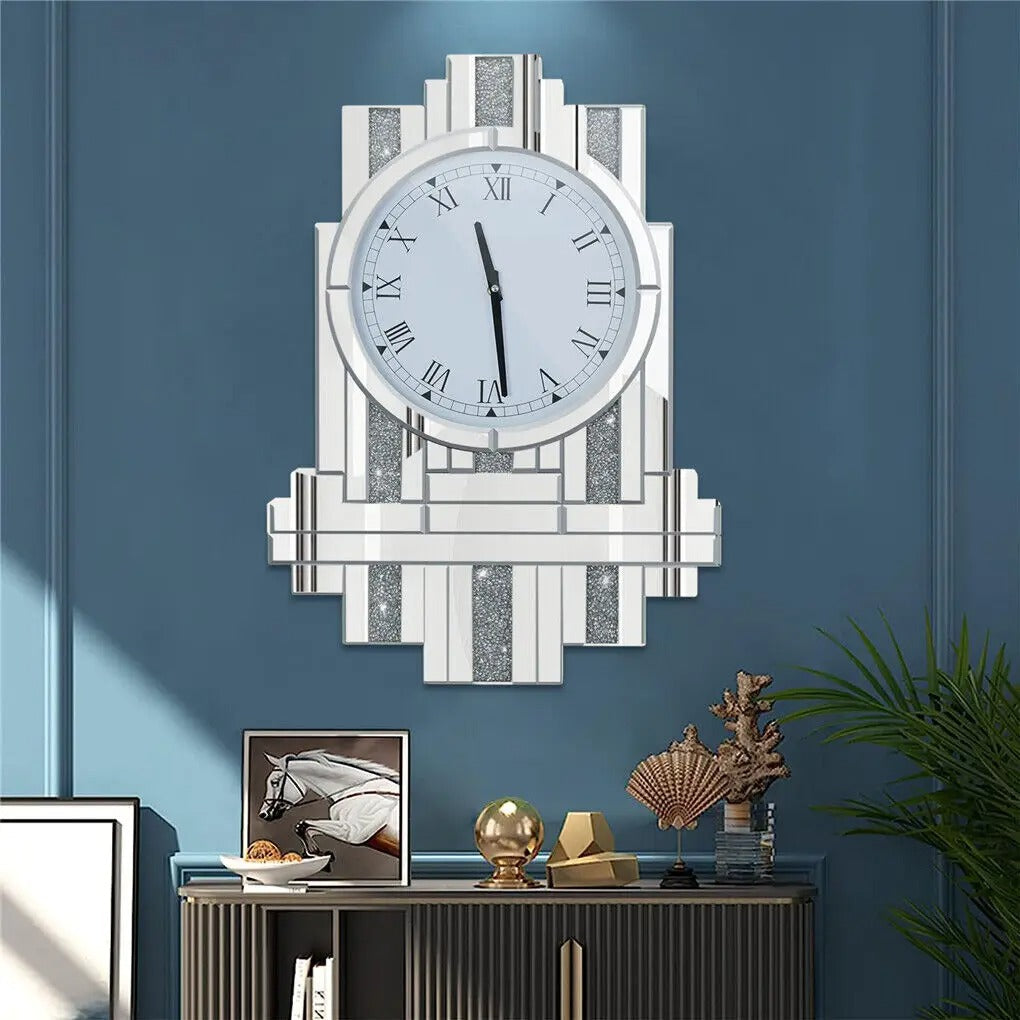
Glass and mirrored wall clocks are valued for their durability and visual longevity. They do not warp, fade, or require surface treatments over time. Their reflective qualities also help maximise natural light, reducing the need for additional lighting in some spaces.
A piece such as the large 60cm round mirrored wall clock offers a long-lasting finish that remains visually relevant across different interior styles.
Metal accents
Metal elements are often used for frames or detailing. When used thoughtfully, metal adds structure and strength without excessive bulk. Its durability makes it suitable for clocks designed to stay in place for many years.
Minimal composite use
Eco-friendly design often avoids unnecessary layers and mixed materials that are difficult to separate or repair. Cleaner construction supports longer use and easier maintenance.
Longevity as a sustainability principle
One of the most overlooked aspects of sustainability in décor is longevity. A well-chosen wall clock can remain part of a home for decades.
When a clock is visually adaptable, it can move with you as your style changes. It may start in a living room, later move to a dining space, or find a place in a home office. This flexibility reduces the need to replace items simply because décor preferences shift.
Our wall clock collection is curated with this principle in mind, focusing on proportions and finishes that work across different rooms and styles.
Energy use and clock mechanisms
Wall clocks typically use minimal energy, especially compared to digital displays or smart devices. Most analogue wall clocks rely on low-power quartz movements.
Using standard batteries and maintaining them properly can help reduce waste. Replacing batteries only when needed and choosing quality clock mechanisms that maintain accuracy supports longer use without unnecessary replacements.
Eco-friendly living often comes down to small, repeated decisions rather than single dramatic changes.
Eco-conscious styling for UK living spaces
Sustainability is also influenced by how décor is used. Overcrowding walls with multiple items often leads to frequent replacements and visual fatigue.
A single, well-placed wall clock can replace several decorative pieces. In this sense, eco-friendly décor is often about restraint rather than addition.
If you are exploring how wall clocks can act as focal points rather than accessories, our article on how wall clocks shape modern living spaces offers helpful context.
Wall clocks and open-plan sustainability
Open-plan homes are common in modern UK living. From a sustainability perspective, shared spaces benefit from shared décor.
One wall clock positioned for visibility across zones reduces the need for multiple clocks in the same area. This keeps walls visually calm and reduces unnecessary duplication.
Our guide on using wall décor to define zones explains how thoughtful placement supports both design and practicality.
Choosing size wisely to avoid waste
Incorrect sizing is one of the main reasons wall clocks are replaced. A clock that feels too small or too dominant often ends up removed.
Choosing the right size from the start supports sustainability by preventing trial-and-error purchases. Larger walls benefit from fewer, well-scaled pieces. Smaller walls require restraint.
A balanced option like the 24 inch silver mirrored wall clock works across many UK room sizes, reducing the need for future replacement.
Eco-friendly placement matters too
Placement affects longevity. Clocks placed away from excessive humidity, heat sources, or direct sunlight tend to last longer.
In kitchens and dining spaces, positioning clocks away from cookers and steam helps preserve both mechanisms and finishes. In living rooms, avoiding direct glare protects reflective surfaces.
If you want practical guidance on placement, our article on where to hang wall clocks for long-term use explains how positioning affects durability and impact.
Eco-friendly does not mean sacrificing style
A common misconception is that sustainable décor must look plain or utilitarian. In reality, thoughtful design often results in pieces that feel more refined and timeless.
Decorative mirrored clocks, sculptural forms, and subtle metallic finishes can all align with eco-conscious values when designed for longevity.
For example, the irregular decorative mirrored wall clock with crystal detailing combines visual interest with durable materials, making it a long-term statement rather than a disposable trend item.
Building a sustainable home gradually
Eco-friendly interiors are rarely created all at once. They evolve through gradual, informed choices.
Replacing multiple small decorative items with one meaningful piece can reduce clutter and waste. Wall clocks are ideal candidates for this approach because they combine function and décor naturally.
By choosing pieces that work across rooms and stages of life, homeowners reduce the need for constant updates.

Our approach to sustainability at Metro Elegance
At Metro Elegance, we believe sustainability in home décor starts with thoughtful design and responsible selection. While wall clocks may seem like small details, their impact grows when chosen with care.
We focus on durability, timeless design, and adaptability so our customers can enjoy their pieces for years rather than seasons. Our aim is to support homes that feel complete without excess.
You can explore complementary décor within our living room mirror collection, which often pairs naturally with reflective wall clocks to maximise light and reduce the need for additional décor.
Final thoughts
Eco-friendly wall clocks are not about perfection. They are about intention. Choosing a clock that lasts, adapts, and feels right in your home supports a more mindful way of living.
When design and sustainability work together, even everyday objects like wall clocks can contribute to a calmer, more considered home environment.
If you would like guidance on selecting a wall clock that aligns with both your interior style and your sustainability goals, our team at Metro Elegance is always happy to help.
Get in touch with us here:
Contact Metro Elegance
Frequently asked questions
What makes a wall clock eco-friendly?
Durability, long-term usability, and thoughtful material choices are key factors rather than labels alone.
Are mirrored wall clocks sustainable?
They can be, especially when designed for long-term use and visual adaptability.
Do eco-friendly wall clocks cost more?
Not always. Investing in one durable clock can reduce the cost of frequent replacements.
Is one wall clock better than several smaller ones?
Often yes. One well-placed clock can reduce clutter and unnecessary décor purchases.
Do wall clocks use much energy?
Most analogue wall clocks use very little power, especially when maintained properly.
Can eco-friendly décor still look decorative?
Yes. Sustainability and visual appeal are not mutually exclusive when design focuses on longevity.
How do I make my existing wall clock more sustainable?
Maintain it well, replace batteries only when needed, and reposition it rather than replacing it when redecorating.